
2026-10-22
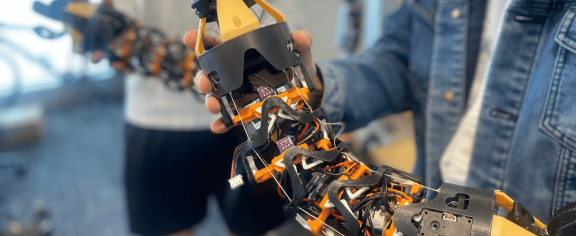
Coulter BME Ph.D. student Yilin Cai received two international awards for research on modular soft robots that can adapt to different tasks and environments.

2026-10-22
Sivakumar's appointment as executive vice president for Research begins Nov. 1, 2026.
2026-10-02
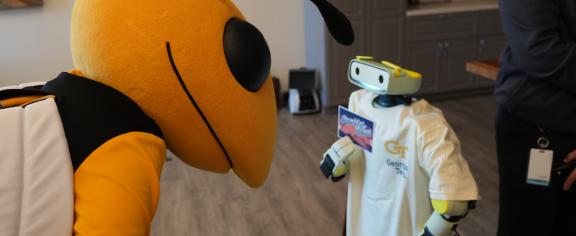
The collaboration will support research in robotics, industrial and systems engineering, and aerospace technology while fostering innovation in foundational and emerging technologies.

2026-09-24
Georgia Tech researchers found seven security flaws in CAN XL, a vehicle network standard intended for future driver-assistance systems.
2026-09-18
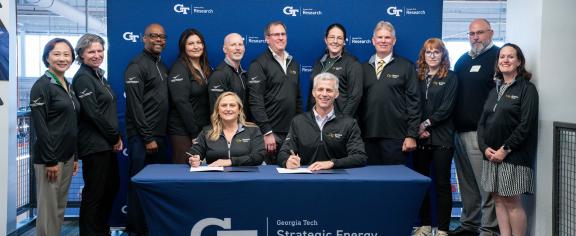
Together, the organizations will pursue new opportunities in joint research, workforce development, technology commercialization, and talent exchange.

2026-09-25
Georgia Tech researcher Saman Zonouz is helping shape resilient AI practices for the electricity grid. His work connects workshop planning with research on AI-enabled grid protection and emerging vulnerabilities.
2026-09-24
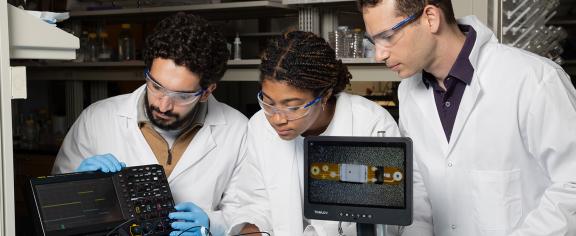
Inspired by the ionic signaling of our nervous system, researchers built sensors and therapeutic devices that can communicate and coordinate with each other through tissue.
2026-09-01
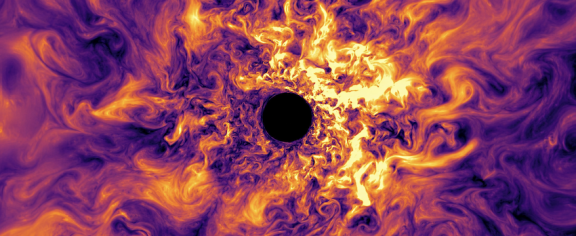
To advance understanding of turbulence, the National Science Foundation is establishing a new, $30 million Science and Technology Center (STC) at Michigan State University. Georgia Tech is among eight universities supporting the center.

2023-03-21
Electric vehicles are becoming increasingly popular, and with economic and environmental impacts colliding, Georgia Tech experts are leading the way in the development of next-generation solutions.

2026-07-29
As artificial intelligence becomes more integrated into healthcare, researchers are exploring its potential to support clinical decision-making, improve mental health interventions, expand access to care, and accelerate medical innovation.