
2025-07-31
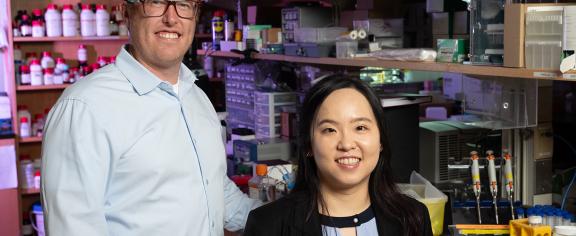
Microsurgeon Shao-Yun Hsu takes treating her patients all the way to Georgia Tech, where she’s getting a Ph.D. and developing biomaterials to restore function — and quality of life — for people with lymphedema.

2025-07-01
By uniting experts across disciplines, Georgia Tech is positioning itself at the forefront of neuroscience and space research.
2025-04-14
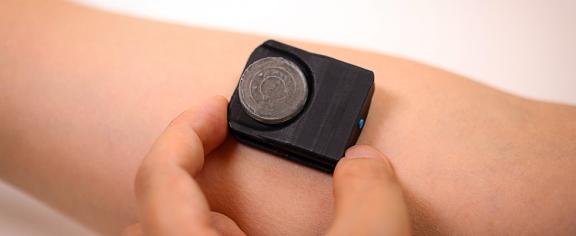
The device is the first of its kind to continuously monitor how the skin exchanges gases with the environment, helping to monitor skin health and wound healing.
2023-09-18
This fall, the Institute will launch a foundational, interdisciplinary program to lead in research related to neuroscience, neurotechnology, and society.