
2026-10-09
The three-year initiative gives researchers greater access to AI tools, training, and computing power to help accelerate scientific breakthroughs.

2026-10-12
The Office of Information Technology will host its campuswide FORGE AI Summit Nov. 16 – 18.

2026-10-08
The funding strengthens Georgia’s ability to attract companies, develop talent, and accelerate Atlanta’s growth as a leading tech hub.
2026-10-09
The three-year initiative gives researchers greater access to AI tools, training, and computing power to help accelerate scientific breakthroughs.

2026-10-02
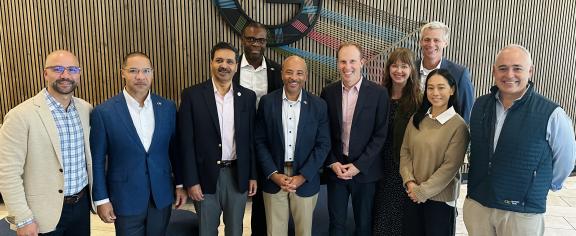
The collaboration will support research in robotics, industrial and systems engineering, and aerospace technology while fostering innovation in foundational and emerging technologies.
2026-06-30
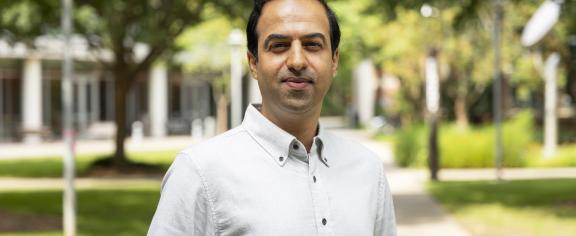
Assistant Professor Ali Sarhadi is using AI and digital twins to predict how and where major storms will cause the most damage.

2026-08-12
The new AI framework called SlideAgent helps large language models (LLMs) better understand complex visual documents used in the workplace like presentation slide decks, brochures, and reports.

2026-09-21
Georgia Tech's ETHOS initiative brings together expertise from across the Institute to advance human-centered research models that could accelerate the development of safer, more effective therapies.

2026-09-25
Georgia Tech researcher Saman Zonouz is helping shape resilient AI practices for the electricity grid. His work connects workshop planning with research on AI-enabled grid protection and emerging vulnerabilities.
2026-09-21
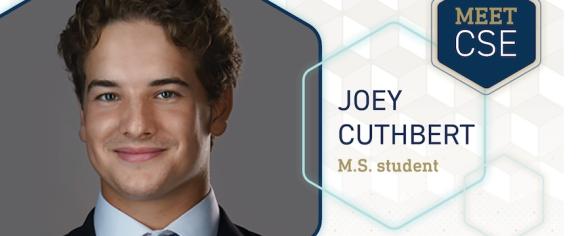
This summer, M.S. student Joey Cuthbert completed an internship at the Air Force Research Laboratory (AFRL), supporting work that addresses national priorities while laying the foundation for future innovations.