

2026-08-12
The new AI framework called SlideAgent helps large language models (LLMs) better understand complex visual documents used in the workplace like presentation slide decks, brochures, and reports.
2026-09-21
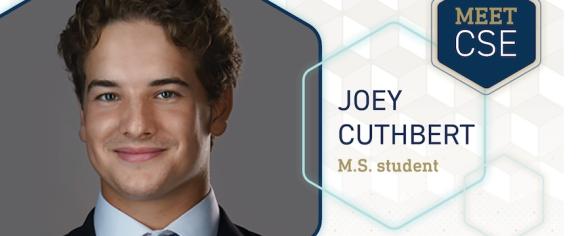
This summer, M.S. student Joey Cuthbert completed an internship at the Air Force Research Laboratory (AFRL), supporting work that addresses national priorities while laying the foundation for future innovations.

2026-09-15
National laboratories play a critical role in advancing science, developing energy technologies, and ensuring national security. This summer, Ph.D. student Tage Burnett contributed to that mission firsthand during an internship at ORNL.
2026-09-03
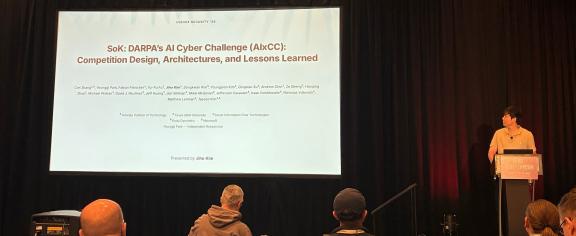
Georgia Tech researchers spent two years helping to answer the question: What can artificial intelligence (AI) do to protect software from cyberattacks?
2026-06-25
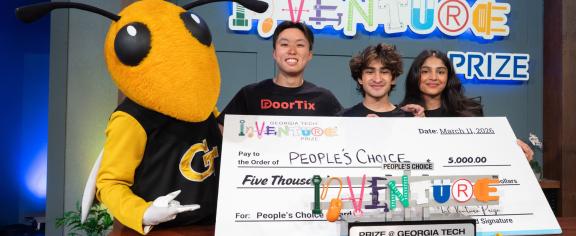
As fans around the world search for tickets to FIFA World Cup 2026 matches, a team of Georgia Tech students is working to make buying tickets to major events less stressful and more transparent.
2026-05-21
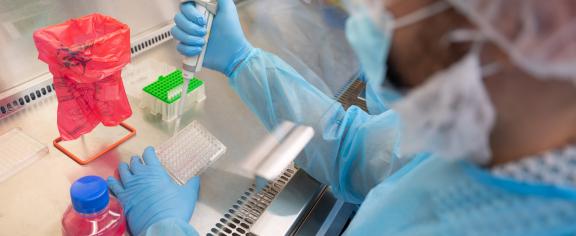
The NSF Graduate Research Fellowship supports “outstanding students with exceptional potential for leadership in STEM.”
2026-04-13
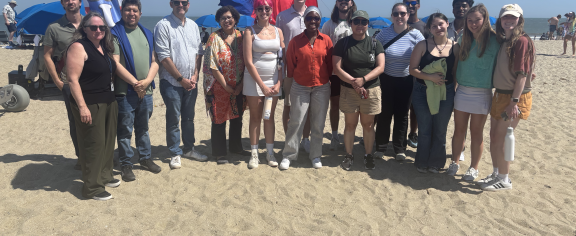
Students study sea-level rise and coastal resilience on spring break field experience.
2026-03-31
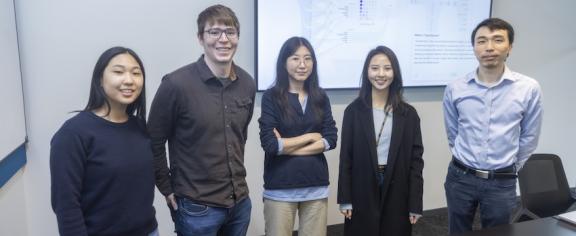
Georgia Tech researchers are making AI easier to understand through their work on Transformer Explainer. The free, online tool shows non-experts how ChatGPT, Claude, and other large language models (LLMs) process language, improving AI literacy.
2026-04-22
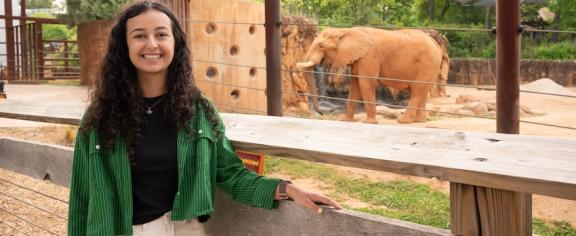
Georgia Tech is working with Zoo Atlanta to design an audio enrichment wall for African elephants.

2026-04-06
Congratulations to environmental science majors Annie Lin and Madeline Weller.