
2024-11-19
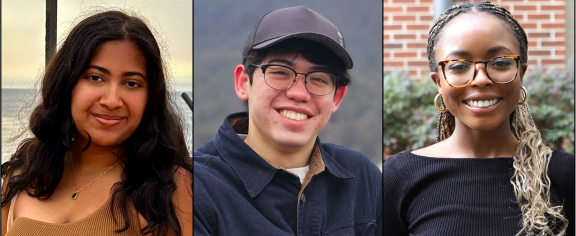
Sonali Kaluri, Seth Kinoshita, and Medina McCowin have been selected as walk-on recipients of the prestigious Stamps President's Scholarship, recognizing their exceptional academic accomplishments, leadership, and dedication to service.
2024-07-09
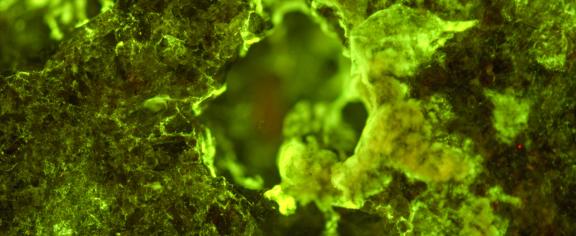
Up to 80% of infections in human bodies can be attributed to the bacteria growing in biofilms, and understanding how biofilms grow could lead to critical insights on controlling them.

2024-06-25
Abdallah will serve as LAU's 10th president.
2024-06-12
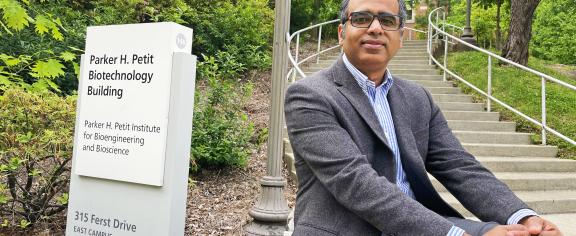
Researchers at Georgia Tech have developed a method using nanowires to deliver miRNA to T-cells, preserving their naïve state and significantly enhancing their effectiveness in adoptive T-cell therapy for fighting infections and potentially cancer.
2024-05-21
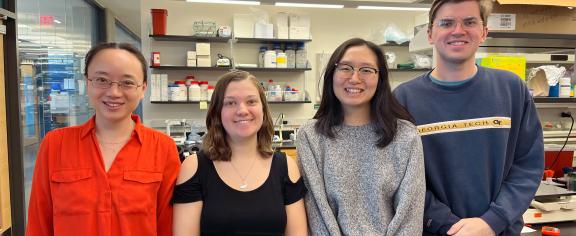
Han will investigate whether blocking specific neurons can help inhibit asthma — which may provide a new avenue for developing treatments.
2024-05-09
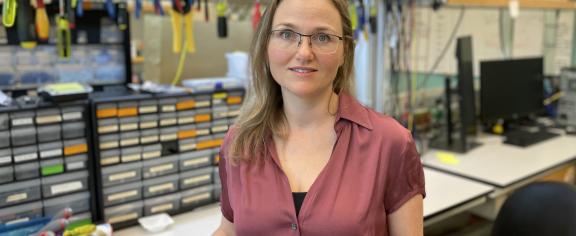
Biomedical engineer Annabelle Singer has spent the past decade developing a noninvasive therapy for Alzheimer’s disease that also could benefit patients with a host of other neurological disorders, from epilepsy to multiple sclerosis.

2024-05-02
Exercise is good for you. To understand why, MoTrPAC scientists are creating a whole-body map of molecular responses to endurance training — finding striking “all tissue effects” in a new set of studies, featured on the May cover of the journal Nature.
2023-09-18
This fall, the Institute will launch a foundational, interdisciplinary program to lead in research related to neuroscience, neurotechnology, and society.