

2026-08-12
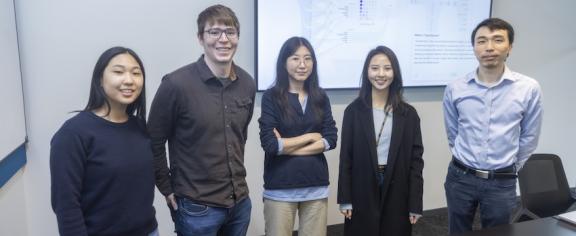
The new AI framework called SlideAgent helps large language models (LLMs) better understand complex visual documents used in the workplace like presentation slide decks, brochures, and reports.
2026-09-21
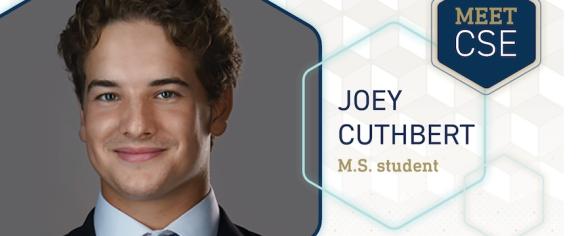
This summer, M.S. student Joey Cuthbert completed an internship at the Air Force Research Laboratory (AFRL), supporting work that addresses national priorities while laying the foundation for future innovations.

2026-09-15
National laboratories play a critical role in advancing science, developing energy technologies, and ensuring national security. This summer, Ph.D. student Tage Burnett contributed to that mission firsthand during an internship at ORNL.

2026-09-01
To advance understanding of turbulence, the National Science Foundation is establishing a new, $30 million Science and Technology Center (STC) at Michigan State University. Georgia Tech is among eight universities supporting the center.

2026-07-06
Researchers have developed what they believe is the strongest benchmark dataset on measuring the geolocation accuracy of LLMs.

2026-04-30
School of Interactive Computing faculty and students have recently received notable awards and honors, including Microsoft research fellowship awards.
2026-03-31
Georgia Tech researchers are making AI easier to understand through their work on Transformer Explainer. The free, online tool shows non-experts how ChatGPT, Claude, and other large language models (LLMs) process language, improving AI literacy.

2026-03-31
A Georgia Tech study finds older adults are more likely to trust voice-activated AI systems when those systems clearly explain how and why they make decisions.

2026-04-22
Georgia Tech is working with Zoo Atlanta to design an audio enrichment wall for African elephants.

2026-03-30
Georgia Tech researchers are looking at how technology can better support women experiencing menopause in urban Pakistan, where patriarchal norms leave them largely isolated and without resources for managing their symptoms.