

2026-10-20
Georgia Tech researchers found that instruction changes can reduce chatbots’ reinforcement of delusional beliefs.
2026-10-16
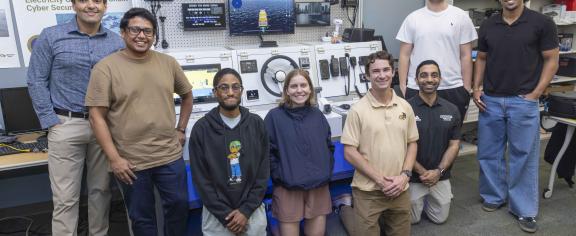
Maritime cybersecurity training leaves sailors vulnerable to attacks that manipulate ship systems without obvious failures. The Georgia Tech study identifies weaknesses in preparation and threat recognition among military mariners.
2026-10-16
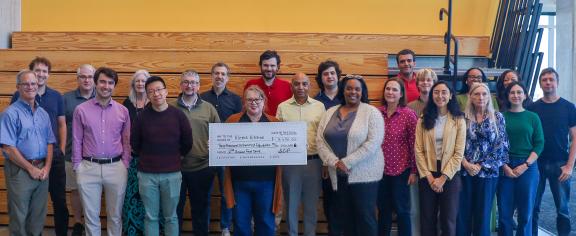
Georgia Tech’s cybersecurity community raised over $3,600 for Klemis Kitchen in September. The campaign strengthened food access for students and supported future restocking.
2026-10-13
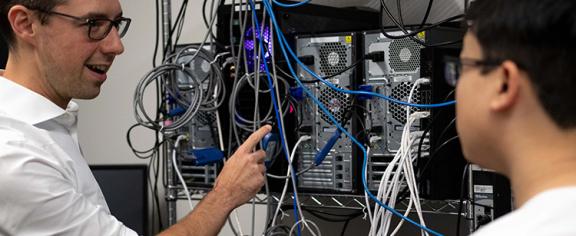
Researchers find that deleted local AI chats may remain recoverable from a phone’s memory through a new tool called ORISA.
2026-10-23
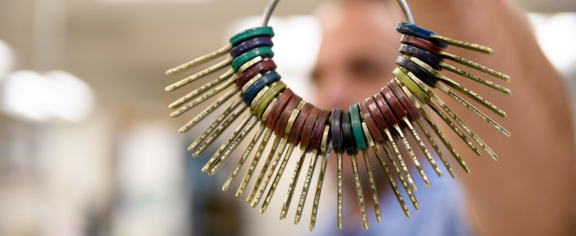
Beginning Monday, Jan. 4, 2027, Georgia Tech will implement a new process for requesting physical keys.

2026-10-20
Fourth-year biology major Giuli Capparelli Sanabria is among the five students named 2026 Ramblin' Royalty. This recognition celebrates students who embody Georgia Tech’s motto, Progress and Service.

2026-10-09
Ashley Ni first came to BridgeUP STEM as a high school student, joining in the 2024-2025 academic year. Now she is a computer science student, returning to the program as a Helen Fellow and serving as the first BridgeUP STEM participant to experience the

2026-10-08
For Georgia Tech physicists, this year’s Nobel Prize in Physics recognizes decades of work that helped establish neutrino astronomy as a new way to understand the universe.
2026-08-12
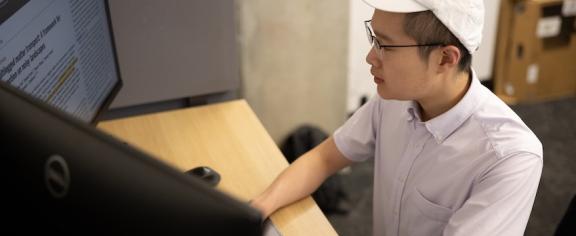
The new AI framework called SlideAgent helps large language models (LLMs) better understand complex visual documents used in the workplace like presentation slide decks, brochures, and reports.
2026-09-21
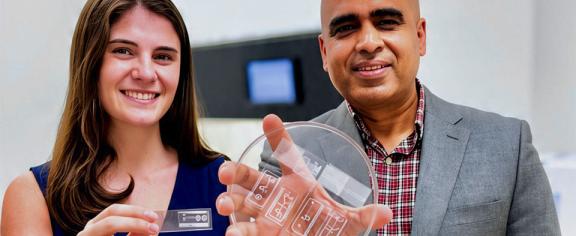
Georgia Tech's ETHOS initiative brings together expertise from across the Institute to advance human-centered research models that could accelerate the development of safer, more effective therapies.